We build this material for a living and we'll still tell you where it loses. Credibility is worth more than a sale, and the material wins enough columns not to need spin.
Longevity measured in centuries, the oldest standing structures on earth include rammed earth. Detailed well, your build is a multi-generational asset.
Thermal mass comfort: interiors hold a narrow temperature band with dramatically reduced HVAC effort; in high-diurnal climates the effect approaches passive conditioning.
Silence, mass walls kill sound transmission; visitors comment on it before they comment on anything else.
Non-combustible (mineral walls in wildfire country change insurance conversations.
Humidity buffering) vapor-open walls moderate interior moisture; rooms feel calm in ways drywall never manages.
Zero-finish finish, no drywall, paint, siding or cladding, ever; maintenance is a sealer refresh on a multi-year cycle.
Embodied carbon (a fraction of concrete's; the credible sustainability flex.
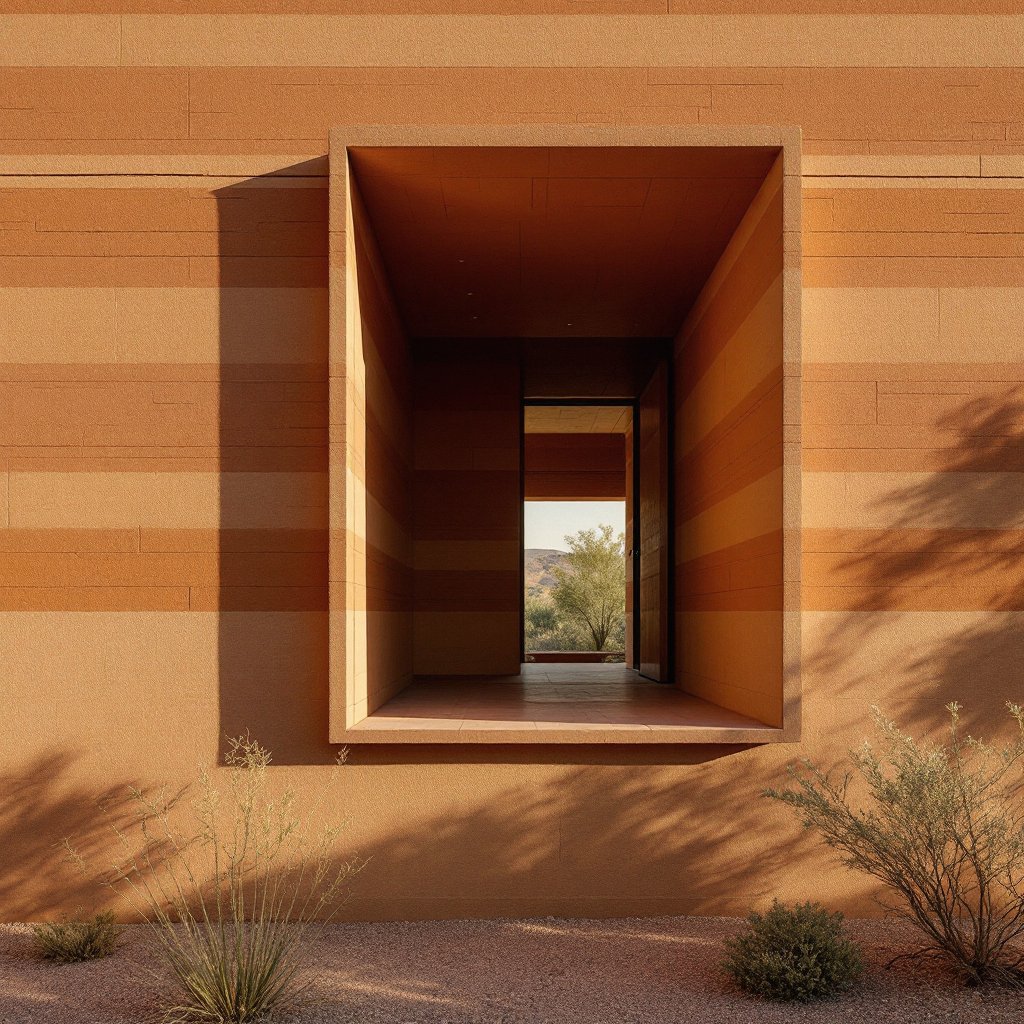
Irreplaceable beauty) strata unique to your soil and your build week. Scarcity is a feature.
The cons, without flinching
Upfront cost, labor-intensive and specialist-built; expect luxury-construction budgets. If price is the primary constraint, this is not your material.
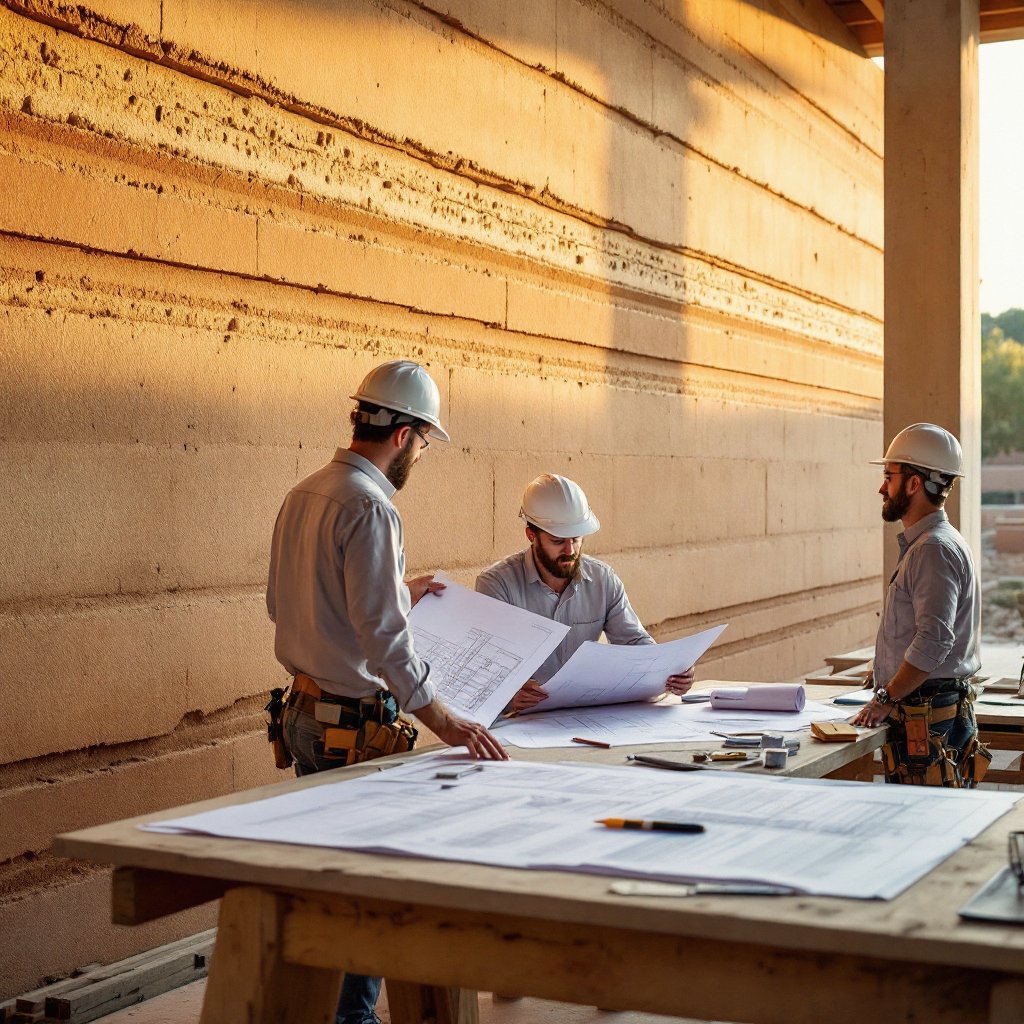
Builder scarcity, genuinely skilled crews are rare in most of the country; a bad crew is worse than no crew. (This is why we train ours and travel.)
Design commitment, two-foot walls are forever; renovation means addition, not relocation of walls. Great for legacy, bad for indecision.
Water discipline required: the material's one enemy is chronic moisture. Overhangs, stem walls and drainage are non-negotiable engineering, not style choices.
Permitting friction in new markets, solvable with stamped engineering, but expect us to spend time educating your county (we budget for it).
Wet/cold climates need real engineering, Tennessee, Kentucky and Indiana builds carry insulation and stabilization the desert never needed. Done right, excellent; done casually, expensive lessons.
The honest summary: a spectacular material for the right client, the wrong one for bargain hunters and hurriers.
Who should build rammed earth?
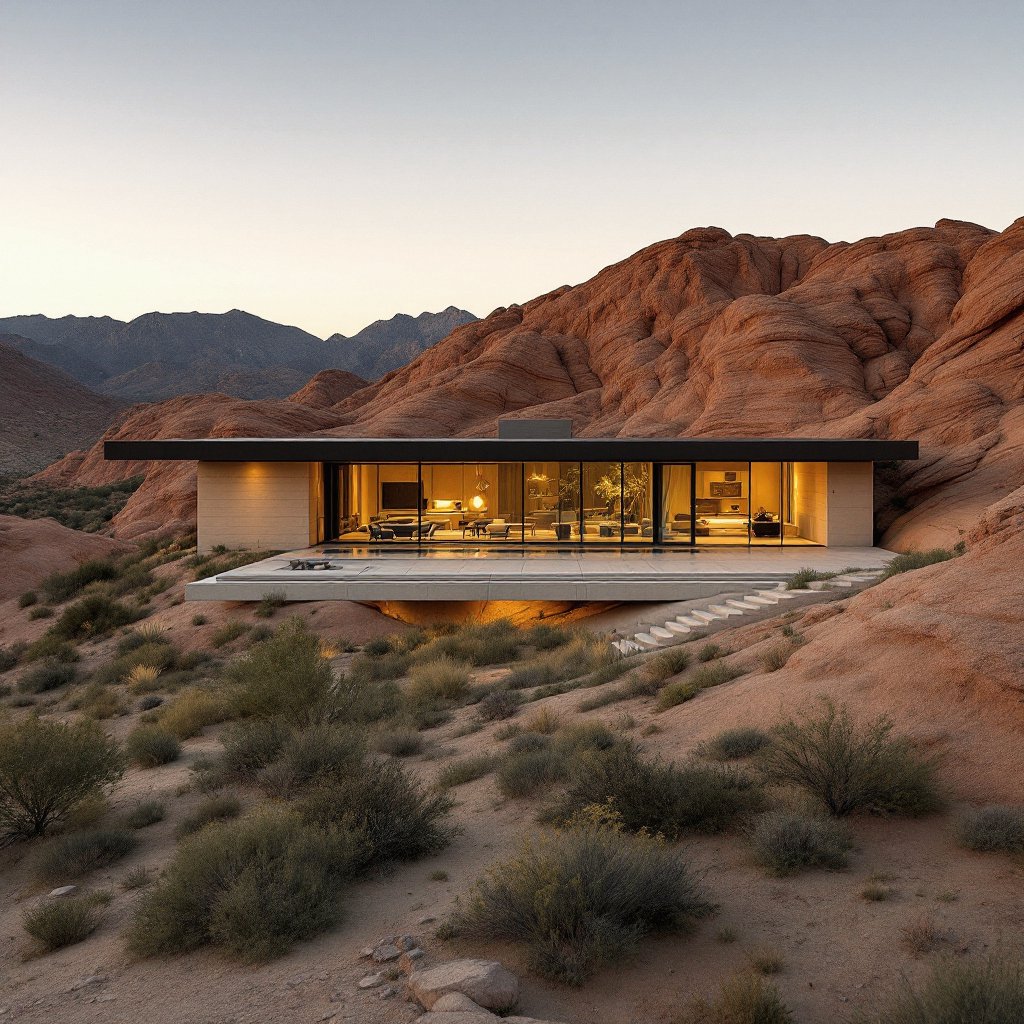
People building a forever asset on land they love, with luxury budgets and long horizons. People who value comfort physics, silence and singularity over speed and lowest bid. And brands whose values benefit from standing in compacted, photographable fact. Everyone else will be happier framing, and we'll say so at the consultation.
Myths that deserve retirement
"It's just fancy adobe." Different physics entirely: monolithic compaction versus mortared mud units. Density, strength and strata are the visible differences; engineering pathways are the invisible ones.
"It melts in the rain." Stabilized walls shed weather for centuries, France and China hold the receipts. Water kills only walls whose builders skipped the boots-and-hat detailing.
"You can't insure or finance it." Documented, engineered builds do both routinely: the paperwork is the product, and we ship it standard.
"It's off-grid hippie construction." Its current commissions are wineries, museums and eight-figure estates. The material graduated; the stereotype didn't.
"Any mason can do it." The failure gallery of blown forms and coved bases says otherwise. Specialist scarcity is real, treat it as a hiring criterion, not an inconvenience.
"It only works in the desert." Insulated-core assemblies run from British Columbia to the Alps. The desert is where it's easiest, not where it stops.
The decision framework we actually give clients
Choose rammed earth enthusiastically if: you're building on land you intend to keep, your budget clears seven figures without strain, permanence and singularity rank above speed, and something in you responds to the material physically (visit a wall; you'll know). Choose it cautiously if: your timeline is rigid, your site is remote from any qualified crew, or resale-within-five-years is the plan. Choose something else if: budget is the governing constraint, you renovate for sport, or you want walls that don't have opinions. We give this framework away because the clients it filters in are the ones whose projects make the portfolio, and the ones it filters out become the referrers who trust us anyway.
Who should think twice before building rammed earth?
The material rewards a particular kind of owner and quietly punishes another. Think twice if:
Your budget is the site's ceiling. With turnkey estates running $250–$450+ per square foot and our engagements starting at $1M, this is not the value-engineering path. Stretching to afford the walls leaves nothing for the rest of the house, and the rest of the house matters.
You expect production-builder speed. Lift-by-lift construction is deliberate by nature. If a hard move-in date rules the project, the method will frustrate you.
You plan to flip. Rammed earth's economics reward the long hold, decades of near-zero envelope maintenance mean the payoff compounds. The transaction-minded should buy conventional.
You remodel recreationally. Mass is permanent. Owners who like to move walls every few years should choose a material that forgives them.
Your site fights the method. Poor equipment access, no staging room, or a floodplain-adjacent pad all raise costs faster than enthusiasm can cover them.
What's the honest story on resale?
Real talk. The buyer pool for an earthen estate is small and self-selecting, so marketing timelines can run longer than for a conventional luxury home, you're waiting for the right buyer, not a buyer. Two forces offset that. Scarcity: with national listings sitting in the low dozens at any given time, a well-documented rammed earth home has essentially no direct competition when it lists. And intent: the people searching for these homes have usually wanted one for years and arrive pre-sold on the walls. The pattern visible in Tucson's long resale record is fewer showings, deeper interest and strong prices against comparable framed stock. Plan to hold for years, keep the documentation binder current, and resale becomes part of the strength story rather than the risk column.
How do the trade-offs shift across our four states?
Arizona
The easy case: a mature earthen trade base, code officials who have seen the material, suitable soils common, and a resale market with actual precedent. The main con is the crowd: you won't be the first, which also means you forgo the pioneer's distinction.
Tennessee
A four-season climate means the insulated assembly, and the humidity rewards the material's breathability. Pros: first-mover distinction and strong land value. Cons: crew mobilization costs and officials meeting the system for the first time, friction our engineering documentation exists to absorb.
Kentucky and Indiana
Similar math to Tennessee, with heavier clays that more often call for blended import soils and real winters that demand disciplined cold-weather scheduling. The reward is identical: in markets holding effectively zero earthen stock, the first estates become the reference projects everyone cites afterward.
Can you renovate or add on to a rammed earth home?
Yes, if someone thought about it in year zero. Mass walls don't move, so flexibility is a design act rather than a demolition act:
Interior partitions frame conventionally between the mass walls, so reconfiguring rooms stays straightforward.
Future wings get designed as attachment points, planned junctions where new construction meets old without cutting structural earth.
Conduit sleeves and service chases cast in during ramming carry the wiring of decades nobody has met yet.
Openings can be cut later, but it's engineered surgery, dusty, expensive, and best avoided by generous glazing decisions up front.
Our plans treat the mass walls as the permanent armature and everything else as editable. Build that way and the house stays flexible for a century.
What are the insurance and appraisal cons, stated plainly?
Two frictions deserve daylight. Appraisal: most markets have no earthen comparables, so an unprepared file drifts toward a skeptical cost-approach valuation. The mitigation is paper: complete cost documentation, the engineering package, and the national record of earthen sales; documented builds appraise workably, undocumented ones generate the horror stories. Insurance: some carriers' intake software simply has no box for the construction type, which reads as a decline when it's really a routing error. The mitigation is going where underwriting is human, carriers experienced with high-value custom homes price the mineral wall's fire and pest profile on its merits, often favorably. Neither con survives good paperwork. Both punish its absence, which is why the paperwork ships with the house.
Two-foot walls make every window a room decision. Decide them once, enjoy them for a century.
What's the single biggest mistake in rammed earth projects?
Hiring enthusiasm instead of expertise. The failure stories that circulate all trace to unqualified crews improvising formwork, soil recipes or water detailing.
Can it be insured and financed like normal luxury construction?
Yes, with engineering documentation, which we produce as standard. Fire resistance often helps rather than hurts.
Is it earthquake-safe?
Engineered and reinforced for seismic zones, yes, modern stabilized walls with steel integration meet code where required. Our four current states are modest seismic territory.
What happens if a wall is damaged?
Patches are made from matched soil mix and reads like a geology repair, one more reason to keep your soil recipe on file, which we archive for every build.