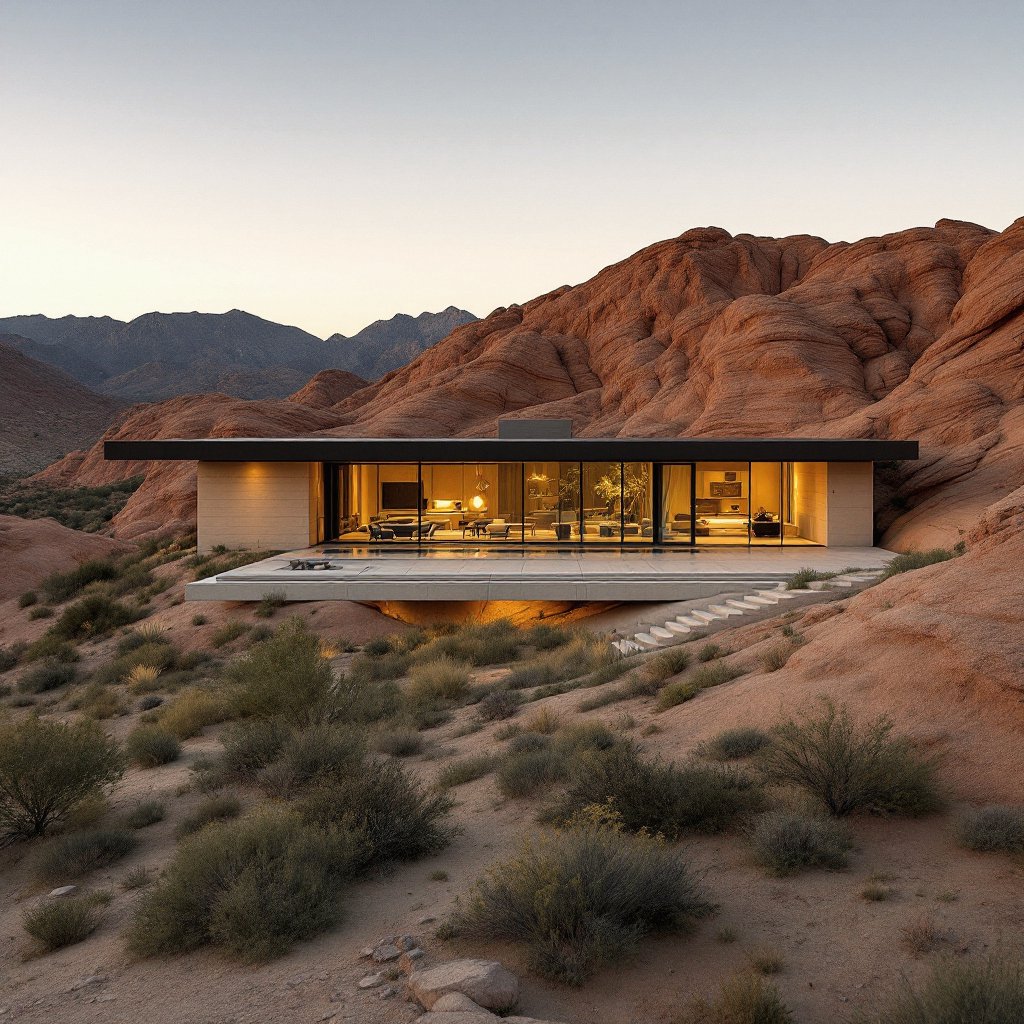
Thousands of people search for rammed earth homes for sale every month. Almost none find one. The reasons why explain the entire economics of this market, and the smarter path to owning one.
Request a Consultation Call (307) 217-5491At any given moment, the number of true rammed earth homes listed for sale in the entire United States typically sits in the low dozens, concentrated in Tucson, Santa Fe, and scattered California and Colorado markets. In Tennessee, Kentucky and Indiana: effectively zero. This isn't a data gap; it's the market's defining feature. The national standing stock is tiny (specialist construction has bottlenecked supply for decades), and the homes that exist almost never trade.
Three structural reasons. These are commissioned homes, built by their owners, for their land and their lives, not spec inventory; commissioned houses change hands at a fraction of the rate of production stock. The holding costs are gentle, near-zero envelope maintenance and low operating bills remove the pressures that push other luxury homes onto the market. And replacement is hard: an owner who sells can't buy another one down the street; they'd have to build again. When one does list, it trades as a signature property: small buyer pool, deep intent, strong prices, Tucson listings historically command clear premiums per square foot over comparable framed neighbors.
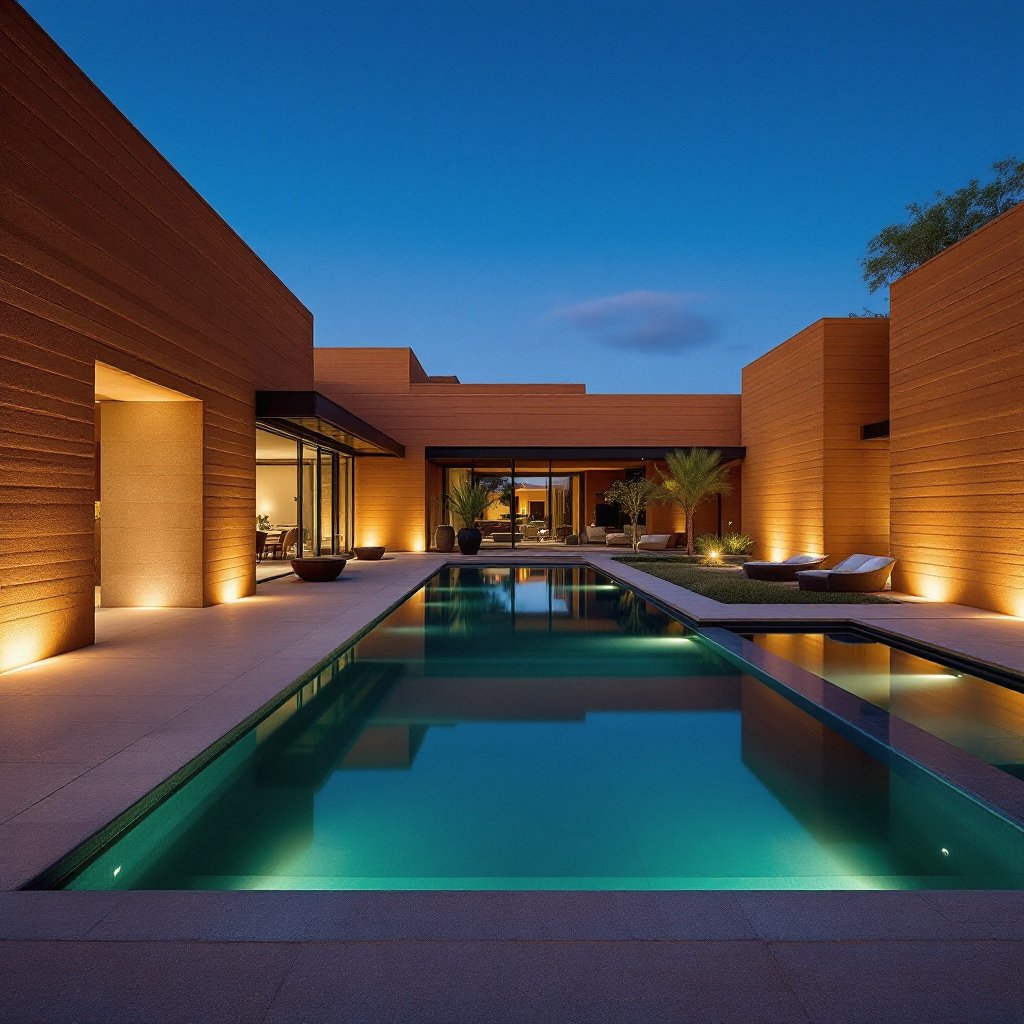
Here's the arithmetic the empty listings page is teaching: waiting for a resale means competing for one of a few dozen homes a year nationally, most in the desert Southwest. Commissioning means 16–26 months to a home engineered for your climate, your land and this decade's codes, with the strata composed to your taste rather than inherited. That's the actual market: almost nobody gets to buy a rammed earth home; the people who own them built them. We'd be glad to start that conversation.
If a rammed earth home is listed anywhere in America this month, the odds favor Arizona. Tucson is the capital of the national stock, including a distinctive band of mid-century homes from the material's earlier revival era alongside the engineered work of the 1980s onward. Even here, "inventory" means a handful of listings at a time, and the good ones trade quickly to buyers who have been waiting years for exactly that alert.
Santa Fe's earth-building culture, California's design-forward pockets and Colorado's mountain markets each surface occasional listings, singles, never selection. Many are advertised loosely as "adobe" or "earth home," which cuts both ways: real rammed earth hides under wrong labels, and some labeled rammed earth isn't.
Search the listings across all three states and rammed earth rounds to none: not because demand is absent (the search volume says otherwise) but because the stock was never built. That's not a consolation prize; it's the opening. The first engineered rammed earth estates in these markets will have no comparable, no competition and no substitute. A first mover here isn't buying a house so much as founding a category.
Listing databases have no reliable field for wall construction, so finding earth means outsmarting the metadata:
Bring a specialist, and work the whole list:
| Item | What good looks like | Red flag |
|---|---|---|
| Wall base at grade | Concrete stem wall visible; drainage falls away from the house | Coving, erosion, soil or mulch piled against earthen material |
| Wall tops | Bond beam capped and flashed, under generous overhangs | Exposed earth at parapets; streaking or staining below the cap |
| Surface and sealer | Even, dry face with a documented sealer history | Powdering when rubbed, efflorescence blooms, patched spalls |
| Openings | Crisp reveals and engineered lintels; corners quiet | Stepped or widening cracks radiating from openings |
| Penetrations and retrofits | Cast-in conduit; tidy, documented chases | Improvised sawcuts and surface-mounted everything |
| Moisture history | Gutters and grading maintained; interior faces dry at the base | Interior efflorescence; musty readings at the wall base |
| Documentation | Engineering, soil recipe, test data, maintenance log | "The builder retired and the papers are gone" |
| Additions | Designed junctions where new construction meets the mass walls | Framed additions grafted crudely onto earthen structure |
An undocumented wall isn't necessarily a bad wall, but it prices like a question mark, and your lender and insurer will treat it as one. Negotiate accordingly.
Run both paths forward honestly.
The waiting path. Over the next 24 months, national listings will surface at their usual trickle, low dozens at any moment, concentrated in the desert Southwest. Almost none will sit in a four-season state, none will sit on your land, and each carries someone else's floor plan, someone else's strata, and a small pool of rival buyers who set the same alerts you did. You may win one. You'll compromise on nearly everything except the walls.
The commissioning path. The same 24 months covers most of a commissioned estate's arc, design, engineering, soil work and wall production sit comfortably inside the 16–26 month range. At the end you hold a home engineered for your climate and your codes, on land you chose, with the complete documentation binder you'd otherwise be begging a resale seller to produce.
Same two years. One path ends refreshing a search page; the other ends at your front door. The listings shortage isn't the obstacle, it's the argument.
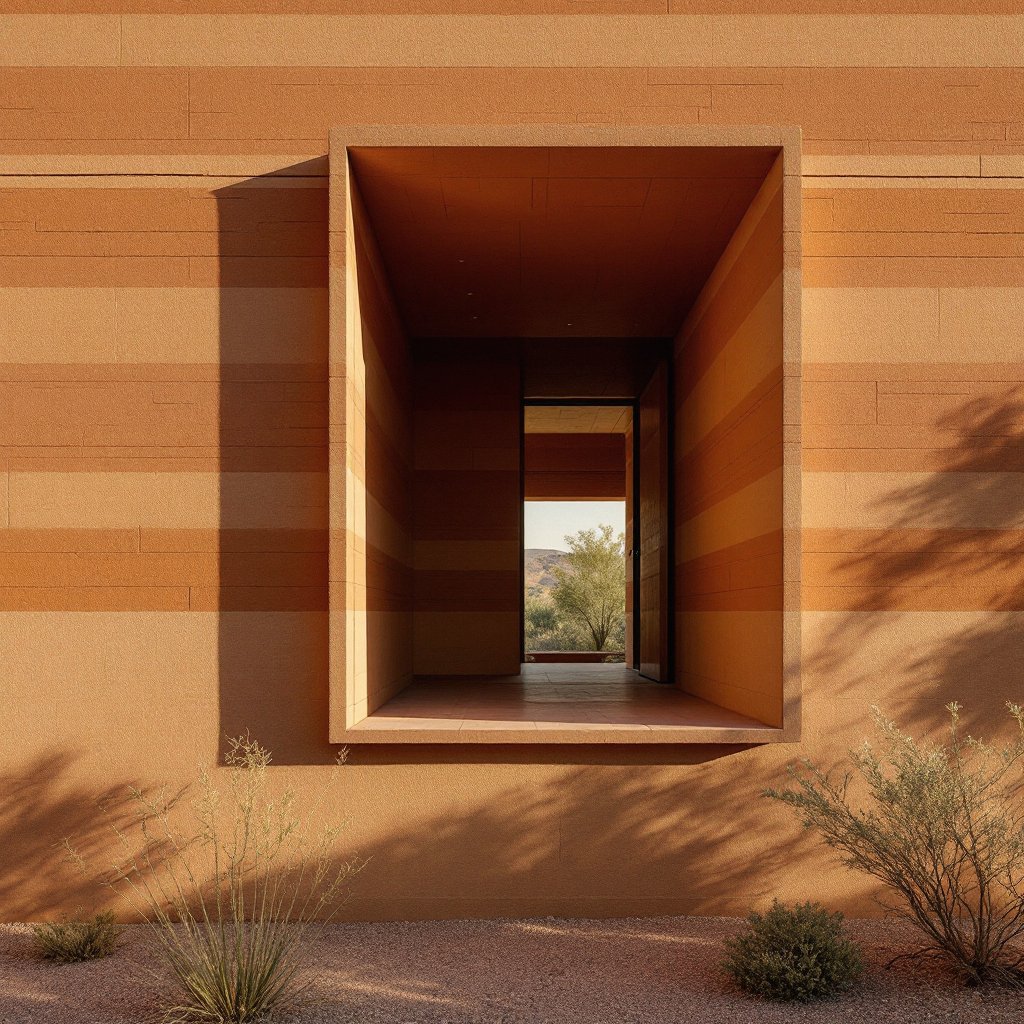
The listing photos show you the strata; the seller's answers show you the asset. Five questions separate a documented earthen home from an expensive mystery:
Good answers justify a strong offer. Missing answers don't necessarily kill the deal, they price it. And if the search never surfaces a home worth these questions, that's the market telling you which path actually leads to the walls.
Request a Consultation Call (307) 217-5491
